Research & Science
What’s Really in Your Water?
Author:
Nick
Jan 22, 2026
Hot Cars, Plastic Bottles, and Microplastics: What’s Really in Your Water?
We’ve all done it—left a half-finished bottle of water in the car and wondered later if it was still safe to drink. The question seems simple, but the science behind what happens inside that bottle is surprisingly complex. Heat, sunlight, and time can change more than just the taste of your water—they can influence bacterial growth, chemical leaching, and the release of microplastics. Understanding these risks can help you make smarter, healthier hydration choices.
When Heat Turns Water Into a Petri Dish
Once a bottle has been opened, it’s no longer a sealed, sterile environment. Every sip introduces bacteria from your mouth and the surrounding air. In normal conditions this may not be a big concern, but inside a hot car the equation changes. Warm temperatures create an ideal environment for microbes such as Staphylococcus aureus, mold, and yeast to multiply. Research has shown that these organisms can grow within hours to days when water is left in heat.
While experts don’t fully agree on how likely this is to make you sick, most conclude that the risk simply isn’t worth taking. Water that has been sitting in a sweltering vehicle all afternoon may look fine, but biologically it could be very different from the fresh bottle you opened that morning.
The Chemistry of Plastic Under Pressure
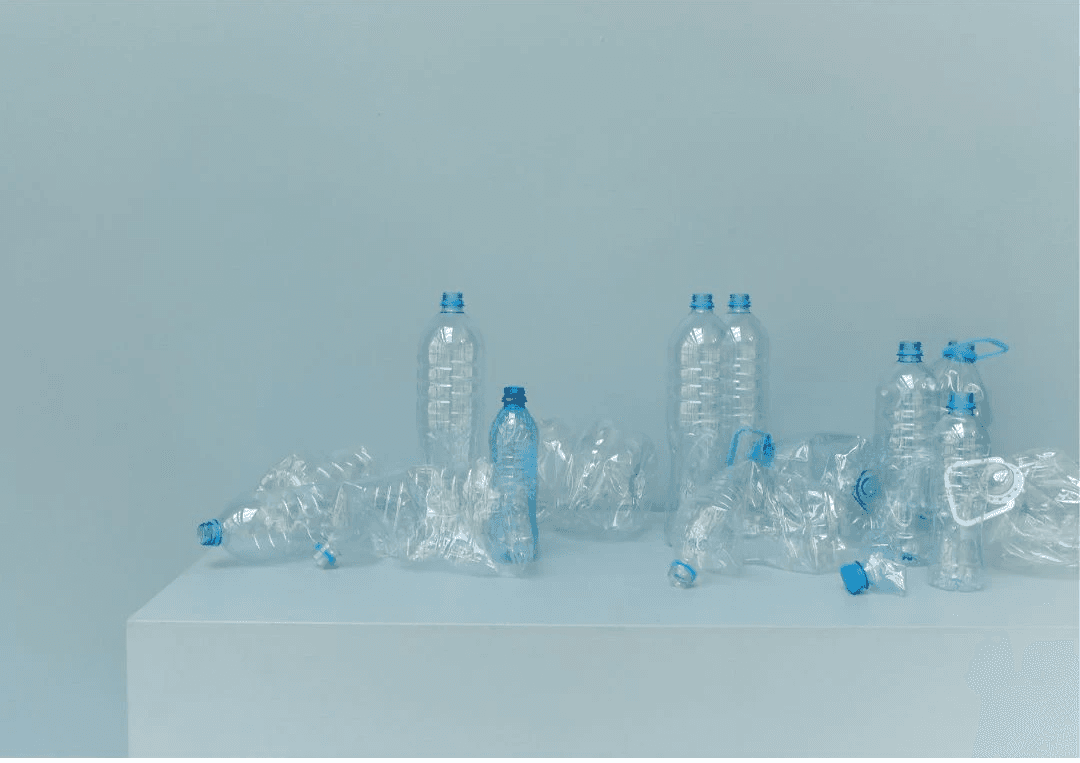
Beyond bacteria, the plastic bottle itself can become part of the problem. Most disposable bottles are made from PET plastic, which can release small amounts of chemicals when exposed to heat and ultraviolet light. Substances such as BPA and phthalates—known as endocrine disruptors—have been detected in some studies of heated plastic containers.
Regulatory agencies like the FDA maintain that current exposure levels from bottled water are within safe limits, but emerging research continues to raise questions. Some studies have linked early or chronic exposure to these chemicals with conditions such as asthma, allergies, and metabolic disorders. It’s also worth noting that the long-circulated claim that hot bottles produce cancer-causing dioxins has been thoroughly debunked.
The real concern isn’t a single dramatic toxin—it’s the subtle, cumulative exposure that can occur over years.
The Microplastics Question
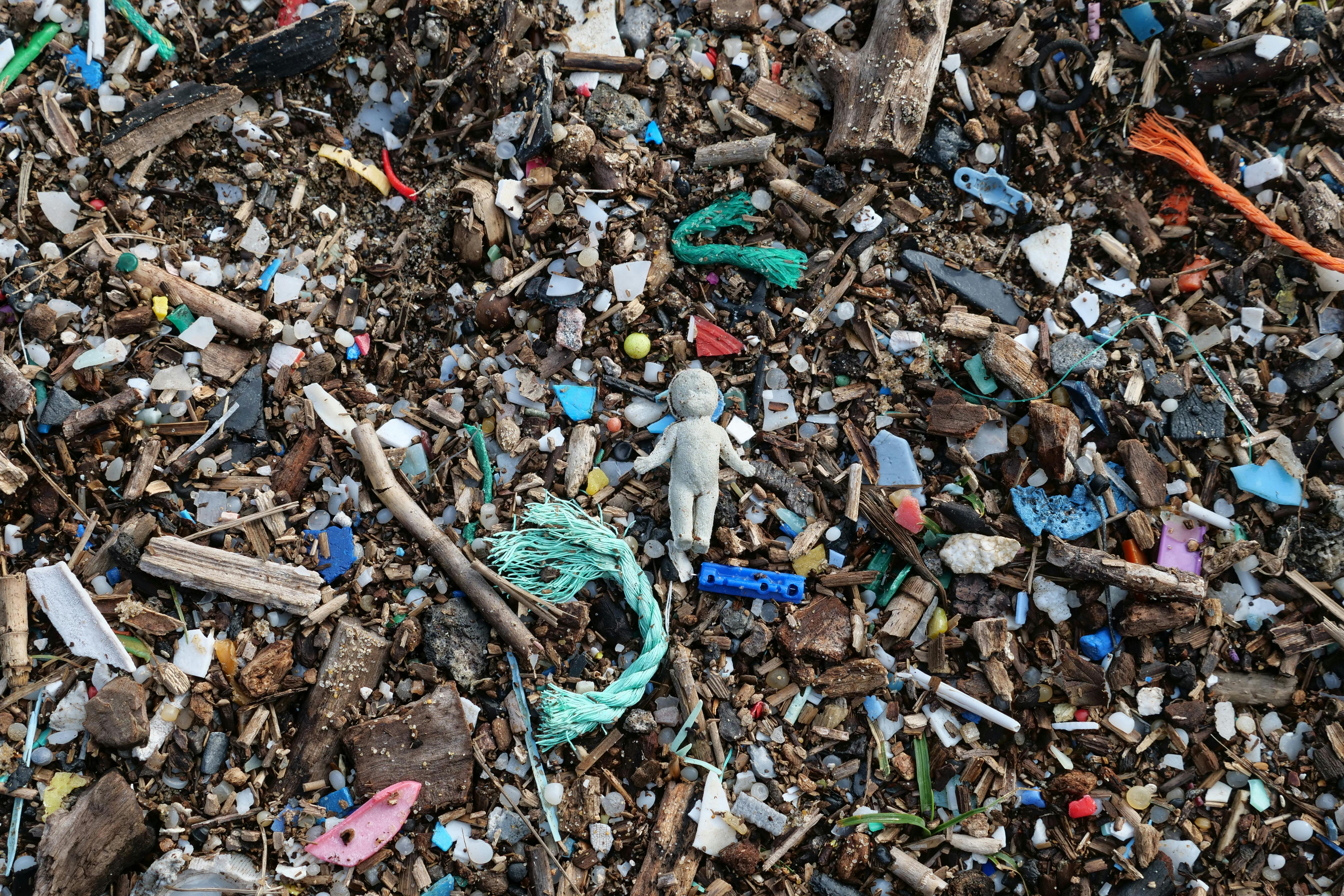
Perhaps the most unsettling discovery of the last decade is how widespread microplastics have become. One global survey found microplastic particles in 93 percent of bottled water samples across nine countries.
Heat and UV light appear to accelerate the breakdown of plastic, increasing the number of tiny fragments released into the water. In 2025, researchers reported finding microplastics in the kidneys, livers, and even brains of deceased humans, highlighting how deeply these particles can penetrate the body.
Scientists are still working to understand what this means for long-term health, but early evidence suggests that chronic exposure may contribute to inflammation and metabolic disruption. At a minimum, it’s a reminder that plastic is not the inert material we once assumed.
Practical Choices for Everyday Hydration
The good news is that reducing these risks doesn’t require drastic lifestyle changes—just a few intentional habits:
Choose better containers. Stainless steel or glass bottles don’t leach chemicals and are far less likely to shed microplastics. They also keep water cooler, which naturally discourages bacterial growth.
Don’t “save it for later.” If a bottle has been sitting in the heat—especially if you’ve already taken a few sips—consider discarding it. This applies to reusable containers as well; rinse and refill rather than letting water bake in the car all day.
Store smart. Keep water out of direct sunlight and avoid leaving cases of bottled water in hot garages or vehicles for extended periods.
When in doubt, skip it. Water is meant to support your health, not introduce uncertainty. Trust your instincts if a bottle tastes off or has been exposed to extreme conditions.
A Small Habit With Long-Term Impact
Hydration is one of the simplest, most powerful tools for health. Yet the way we store and consume water can quietly undermine those benefits. The combination of microbial growth, chemical leaching, and microplastics doesn’t mean every plastic bottle is dangerous—but it does suggest that convenience has a cost.
At fitMetrics, we believe health is built through daily choices that add up over time. Swapping a disposable bottle for stainless steel, or deciding not to drink water that’s been sitting in a hot car, may feel small. But these are exactly the kinds of decisions that protect your body in ways you can’t always see.
Your water should refresh you—not raise questions about what else you’re swallowing with it.